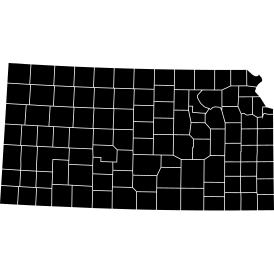
Kansas Property Records
In Kansas, property records are official documents that provide detailed information about land and buildings. These records constitute deeds, mortgages, liens, and other filings that establish legal rights and obligations tied to real estate.
The state is divided into 105 counties, each responsible for maintaining its own set of property records. Collectively, these counties oversee nearly 1,311,000 housing units, which makes proper documentation vital to track the wide range of properties, from suburban homes to agricultural land.
Access to property records reinforces accountability in real estate matters and upholds the reliability of public documentation. Additionally, these records serve as a formal basis for ownership, financial obligations, and historical transfers, making property rights transparent, verifiable, and safeguarded under Kansas law.
Introduction to Property Records
Property records in Kansas are more than legal paperwork; they form the backbone of local government functions.
County appraisers use recorded deeds, surveys, and transfers to establish property valuations. These valuations form the basis of the property tax base that supports government services. Planners, developers, surveyors, and environmental agencies also rely on these records to guide zoning, infrastructure projects, and land management decisions.
The modern role of these records is rooted in the 19th century. Kansas was surveyed through the Public Land Survey System (PLSS) between 1854 and 1876, using the township-and-range framework established by the Land Ordinance of 1785. These surveys created the legal descriptions that are still in use today.
Soon after, county offices began preserving records and continuing to document ownership and boundaries. Today, counties across the state have invested in digital modernization. Online deed indexes, GIS parcel viewers, and downloadable records are increasingly available.
To make property research more accessible across jurisdictions, statewide resources are also available, such as ORKA and the Kansas GIS Hub, which connect parcel data with mapping tools.
What Counts as Property Records in Kansas
Kansas land records consist of official documents that track every stage of a property’s legal and financial life. They provide evidence of ownership, record financial transactions, and outline restrictions or obligations tied to land and housing. The primary categories of property records available in the state are:
Deeds & Title Records
This type of property record contains the ownership of property in Kansas. Each year, counties collectively file tens of thousands of deeds, which reflect sales and transfers statewide. Many county deed archives date back to the mid-1800s, shortly after Kansas achieved statehood in 1861.
Ownership History & Transfers
Ownership histories and transfers provide a chronological record of how property rights in Kansas have changed hands over time. Registers of deeds record thousands of property transfers annually that depict sales, inheritances, and trust conveyances. On average, a Kansas parcel may change ownership every few decades.
Mortgage & Loan Documents
These real estate documents cover the financing arrangements for Kansas properties and buildings. Most homes in the state are purchased with a mortgage, while a smaller share are cash sales. The average mortgage amount in Kansas varies based on market conditions and lending practices.
Property Tax Records & Assessments
These documents outline the valuation of Kansas properties for taxation purposes. The average property tax rate in the state varies based on assessed value and usually generates billions of dollars of revenue annually. The state provides property tax exemptions for seniors, veterans, and other qualified property owners.
Property Values & Market Data
Property values and market data track real estate sale prices, appreciation, and market trends. Recent available data reveal that the median home value in Kansas is around $240,000, while the average sales price and appreciation rates differ across urban and rural areas.
Building Permits & Zoning Records
Building permits regulate construction and land use in Kansas. Counties and cities issue thousands of these permits each year, with steady growth tied to residential development. Zoning records, often handled by local zoning departments, define how land may be used, from agricultural and residential areas to commercial and industrial zones.
Liens, Foreclosures & Judgments
Records the financial or legal claims against Kansas properties. Each year, counties file thousands of liens, often related to unpaid taxes or contractor services. Foreclosure filings and foreclosure rates, on the other hand, vary based on economic conditions.
Parcel Maps & Land Surveys
This category of land records outlines property boundaries and land divisions. Kansas has over a million parcels, and a large percentage have already been mapped and digitized for public online access.
Kansas Property Law
Kansas property law is grounded in a mix of statutory rules and common-law principles that guide how land, buildings, rights, and obligations are managed. This legal framework is organized under the Kansas Statutes Annotated (KSA), which provides the structure for how deeds, mortgages, easements, zoning, and public access to records operate in practice.
Below are the most relevant chapters in the KSA that govern property records in Kansas:
KSA Chapter 58: Establishes rules for property rights, including how deeds are recorded, mortgages are enforced, and conveyances are made legally binding.
KSA Chapter 12: Outlines municipal authority over zoning and planning, defining how land can be used for residential, agricultural, commercial, or industrial purposes.
KSA Chapter 45: Contains the act that gives the public the right to access property documents and other government records.
Deeds
In Kansas, deeds serve as the official documents that convey real estate from one party to another. To be legally effective, they must follow specific statutory requirements and be recorded with the county register of deeds.
KSA 58-2203: Provides the statutory form of a warranty deed, creating a fee simple conveyance and including covenants of lawful ownership, right to convey, freedom from encumbrances, and a warranty of quiet possession.
KSA 58-2211: Requires acknowledgment of deeds and other real estate instruments before an authorized officer (such as a notary) for validity.
KSA 58-2221: Mandates that deeds must be recorded in the office of the register of deeds to give constructive notice.
Mortgages and Deeds of Trust
Mortgages are the primary legal instruments used in Kansas to secure loans to purchase real estate. Unlike some states, Kansas does not widely use deeds of trust; instead, the mortgage system governs lender rights, borrower obligations, and foreclosure procedures.
Below are relevant statutes that govern mortgages in the state:
KSA 58-2301: Establishes that a mortgage creates a lien on real property while allowing the borrower (mortgagor) to retain possession unless otherwise agreed.
KSA 58-2309a: Requires the mortgagee or assignee to record satisfaction of a mortgage after payment of the debt, officially releasing the lien.
KSA 60-2414: Provides the mortgagor’s right of redemption, generally allowing up to 12 months after foreclosure sale to reclaim the property, subject to certain exceptions.
Easements
Easements are legal rights that allow one party to use another’s land for a specific purpose, such as access, utilities, or drainage. These rights can be created by agreement, necessity, or long-standing use.
In Kansas, easements are governed by several statutes, including:
KSA 58-3810: Defines conservation easements, holders, and third-party enforcement rights, establishing the scope and purpose of nonpossessory property interests.
KSA 58-3811: Governs the creation, duration, conveyance, and modification of conservation easements, including recordation requirements and holder acceptance.
KSA 58-3812: Details judicial actions affecting conservation easements, specifying who may bring claims and the court’s power to modify or terminate easements.
Zoning and Land Use
Zoning regulations in Kansas guide how land may be used within cities and counties. These rules aim for orderly development, protect public health and safety, and balance residential, commercial, agricultural, and industrial needs. They also regulate subdivisions, building permits, and land dedicated for public use.
KSA 12-741: Authorizes cities and counties to enact planning and zoning laws to protect public health, safety, and welfare, while allowing additional non-conflicting regulations.
KSA 12-753: Provides authority for cities and counties to adopt or amend zoning regulations, establish districts, and impose restrictions on building size, height, lot coverage, and land use intensity, including floodplain and natural resource conservation.
KSA 12-752: Sets procedures for plat approval, filing, dedication of land for public use, and issuance of building and zoning permits to maintain compliance with subdivision regulations.
Public Records Law
KSA Chapter 45 establishes the public's right to access records maintained by governmental agencies, including property and land records. It governs how records are created, maintained, accessed, and disclosed by state, county, and municipal offices.
Key provisions from this act that govern property record access include:
KSA 45-220: Requires public agencies to establish clear procedures for accessing records, protect records from damage, provide assistance, allow inspection during set hours, and direct requests to the proper origin agency.
KSA 45-221: Specifies categories of public records that may be withheld to protect privacy, security, law enforcement, and proprietary interests.
KSA 45-223: Establishes civil penalties for public agencies that knowingly or intentionally violate the Kansas Open Records Act. It allows up to $500 per violation, with recovered penalties allocated to the Attorney General’s Open Government fund or the county’s general fund.
The Role of Government Agencies
At both the county and state levels, Kansas government agencies oversee the maintenance, management, and accessibility of property records.
At the county level, Kansas register of deeds offices are responsible for preserving official public records related to property ownership, including deeds, mortgages, liens, easements, and other instruments. County assessors complement this function by appraising and assessing the value of all taxable property within the county.
The county treasurer then collects these property taxes and disburses funds to the appropriate taxing authorities, relying on property records for proper allocation and accountability.
At the state level, the Kansas Department of Revenue, through its Property Valuation Division, oversees uniformity in property assessments across all counties. It offers guidance and monitors county-level record-keeping practices to maintain consistency and fairness. Additionally, the Kansas Secretary of State maintains records of specific state-level property interests, business ownership connected to real estate, and filings that may affect property titles.
Working in coordination, county and state agencies maintain a unified system that protects the integrity and availability of recorded property documents.
How to Access Property Records
Kansas provides multiple convenient methods for accessing recorded property instruments. The following are common ways to access these records in the state:
Online: Many Kansas counties provide searchable property recorded databases like the Real Estate Search platform Shawnee County offers. Besides county resources, real estate details are available in statewide online tools like ORKA.
In Person: Visit the register of deeds office or other property record custodian to inspect and obtain copies of desired land documents. Office locations are usually available on official websites.
By Mail: Some county offices accept written requests with the required forms and fees to provide copies of property documents. Check individual county websites for the availability of this method.
By Phone: County offices in Kansas can confirm the availability of records and guide requesting documents over the phone. Office phone numbers are often listed on the official county websites.
Limitations of Accessing Property Records
Accessing property records in Kansas can be a straightforward process in many cases, but several challenges may arise for researchers, property owners, or the general public. Below are some practical limitations when accessing the recorded property instruments in the state:
Decentralized Record-Keeping: Property records in Kansas are maintained at the county level, so accessing comprehensive information across multiple counties can be challenging. Each county may have different systems, procedures, and formats for storing records, making cross-county searches time-consuming.
Varied Fees and Payment Methods: Counties may charge different fees for copies of records, and acceptable payment methods can vary. This inconsistency can complicate budgeting for requests and may require additional steps to obtain documents.
Limited Online Access: While some counties provide online databases, not all property records are digitized. Users may need to visit offices in person or submit written requests to access older or less common documents.
Complex Indexes: Kansas property files are often organized using grantor-grantee indexes, parcel numbers, or other identifiers. Without familiarity with these indexing systems, it can be difficult to locate the correct documents efficiently.
Office Hours and Availability: County recorder or assessor offices may have limited operating hours or specific days for public inspections, which can hinder access for those with scheduling constraints.
Incomplete Records: Some records may be incomplete, outdated, or contain errors, particularly in older or manually maintained files. Verifying accuracy may require cross-referencing multiple sources or contacting the county office directly.
Legal and Technical Terms: Property documents often include legal descriptions, technical survey data, and abbreviations that may be unfamiliar to the general public. This can make it difficult for users to interpret the records without professional assistance.
How Property Records Are Updated
Property records in Kansas are continuously maintained to reflect changes in ownership, valuation, legal status, or physical characteristics of land. The timing of updates depends on the type of record and the specific event that triggers the change. Below are the key triggers for updating property records in the state:
Property Sale or Transfer: When a deed or other conveyance is recorded with the county register of deeds, ownership information is updated. These changes are reflected immediately or after a few business days.
Easements or Encumbrances Filing: Recording easements, rights-of-way, or liens by private parties or utilities immediately updates the county’s property system.
Zoning or Land Use Changes: When a property is rezoned or its permitted use changes, local planning departments notify the county assessor, who regularly updates valuation or classification records.
Exemption Applications: Filing for tax exemptions, such as homestead or agricultural use, triggers immediate updates to assessment records.
Survey or Boundary Adjustments: When a property is subdivided, consolidated, or boundary lines are modified, updated plats and legal descriptions are recorded, typically a few days after approval.
Improvements or Building Additions: Permits issued for significant improvements prompt updates to valuation records, which are often reflected by the county offices within a few weeks.
Foreclosure or Court Judgments: Court filings affecting ownership, liens, or property rights are recorded and reflected immediately by the register of deeds.
The Importance of Property Records
Recorded real property documents in Kansas serve as a vital resource for a wide range of activities. Below are the primary users of these materials and how they utilize them:
Property Buyers and Sellers: Access ownership history, liens, easements, and legal descriptions to identify a clear title before making property-related decisions.
Real Estate Professionals: Realtors, brokers, and appraisers use records to determine market values, verify property details, and guide clients through transactions.
County Officials: Maintain, verify, and update official land records and use them for taxation purposes.
Lenders and Financial Institutions: Use records to assess collateral, confirm ownership, and identify outstanding liens or encumbrances before issuing mortgages or loans.
Legal Professionals and Courts: Reference property records in resolving disputes, executing foreclosures, handling probate matters, and verifying ownership in litigation.
Government Planners and Developers: Utilize records for urban planning, infrastructure projects, zoning compliance, and public works initiatives.
Historians and Researchers: Analyze historical land records to study land use patterns, settlement history, and community development over time.
Surveyors and Engineers: Depend on property descriptions, plats, and easements to conduct land surveys and design construction or infrastructure projects.
What Information Do Kansas Property Records Contain?
Kansas property records consist of a combination of legal, descriptive, and financial details, which make them a vital reference for property-related matters. The pieces of information typically found in these documents are:
Ownership Information: Names of current and past owners, including individuals, trusts, or businesses tied to the property
Legal Description: Boundaries, lot, block, and subdivision details used to identify the parcel in official records
Property Identification Numbers: Parcel ID or assessor’s number used by county offices for taxation and record-keeping purposes
Transaction History: Record of past sales, transfers, and conveyances, showing when ownership changed and under what conditions
Encumbrances: Mortgages, liens, easements, or restrictions that may affect how the property can be used or transferred
Tax Assessment Data: Assessed value for taxation, including land and improvement values, often updated annually by the county appraiser
Land and Building Details: Information on size, square footage, use type (residential, commercial, agricultural), and construction details
Zoning and Land Use Designation: Details on permitted uses and any restrictions established by local planning and zoning authorities
Court-Related Filings: Records of judgments, foreclosures, or other legal claims impacting ownership or property rights
Resolving Property Disputes
Property disputes in Kansas can emerge from boundary uncertainties, conflicting ownership claims, easement issues, or unpaid liens. These disagreements often stem from unclear surveys, overlapping deeds, or competing rights of use.
Disputes may be resolved through different approaches, depending on complexity and severity:
Negotiation or Mediation: Encouraged as a first step to reach an amicable solution without litigation
Professional Survey: A licensed surveyor can provide the proper boundary measurements, often clarifying property lines
Quiet Title Action: A court process to clear conflicting claims and confirm rightful ownership
Judicial Remedies: Kansas courts can enforce resolutions when informal methods fail
Regardless of the resolution method chosen, recorded Kansas property instruments remain central to the process. They contain the legal descriptions, ownership history, and filed documents essential for establishing clear rights and protecting all parties involved.
FAQs
Many counties allow name-based searches through their online portals. Some also enable searches using property type, recording date, parcel number, and other criteria.
Errors in Kansas property records typically require filing a correction deed with the county register of deeds.
Yes, old deeds and ownership records are valuable for tracing family land ownership. Historical documents are often housed at the county register of deeds or the Kansas Historical Society.
Certified copies of deeds and recorded instruments from the register of deeds are legally admissible as evidence in Kansas courts.
Yes, restrictive covenants and HOA rules are filed as recorded instruments with the county register of deeds.
Kansas property records show joint ownership by listing all owners on the deed and indicating the ownership type—joint tenancy, tenancy in common, or tenancy by the entirety—filed with the county register of deeds for public reference.
Yes, under KSA 16-1605, electronic signatures are valid when recording property documents.